Hi, I’m Atlas
I help therapists, counselors, and coaches separate from their clients’ emotions so they can keep doing the work they love without burning out.

My Story
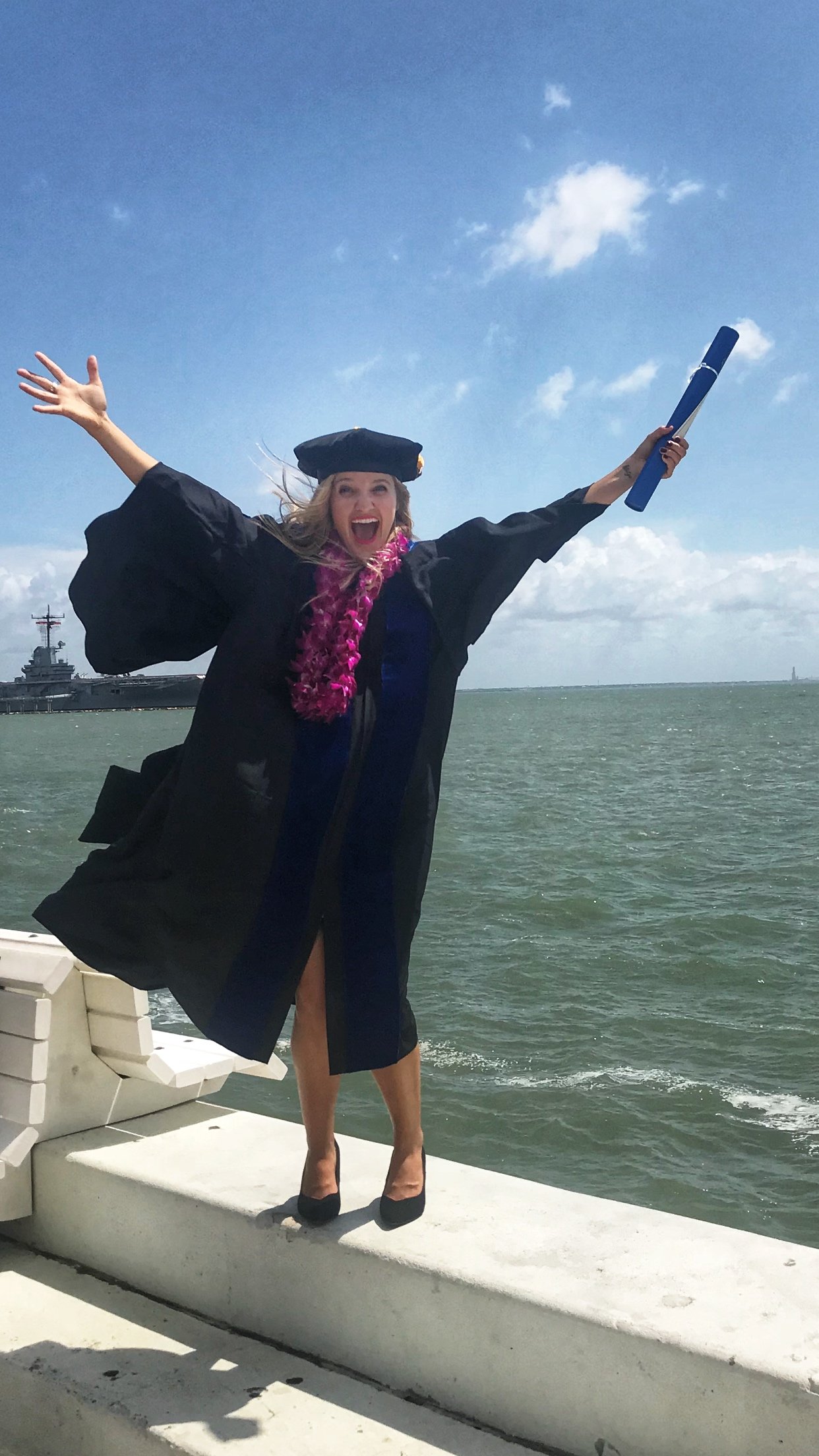
I was one of those sensitive kids who noticed how everyone was feeling beneath the surface. Like many helpers, I turned my sensitivity into a career.
In my mid-twenties, I trained as a trauma therapist at Northwestern University. After graduating, I stayed for a two-year fellowship in marriage and family therapy and was the only counselor ever accepted into the program. At the same time, Northwestern’s counseling program invited me to teach and supervise master’s-level students.
So I was doing three jobs at once: seeing at least sixteen clients a week, many of them the agency’s most complex cases, training and supervising anxious new counselors, and keeping up with my own research and coursework as a fellow.
Although I began my career as excited as I look in that photo, after a few months, my system collapsed.
I couldn’t sleep or eat, and my body was breaking down. I had crushing fatigue, headaches, and digestive issues, and I swung between anxiety and depression. My medical team couldn’t find anything wrong with me. Everyone told me I needed more self-care, but I was already doing all of it, including going to my own therapy.
What I didn’t understand yet was how much of what I carried in my body and mind actually wasn’t mine at all. It had come from the people around me.
Every day, I sat with clients and students as they described the hardest moments of their lives. My body mirrored their pain, and much of it got stuck in me.
What Changed Everything
The research explained how we take in other people’s emotions, but I couldn’t find anything about how to get them out once they’ve settled in. So I started paying close attention to what happened in my own system during sessions.
I tracked what worked, noticed where emotion got stuck, and tested my ideas across thousands of hours with clients. Over time, I learned to separate from what I’d picked up and let it move through me instead.
My burnout faded into the background. I slept better, my symptoms lifted, and working with clients started giving me energy instead of draining it.
My clients changed too. Once I stopped carrying what was theirs, many of them made changes in minutes that used to take months.
You can read the full story in my book, That’s Not Mine.

The Gravity Point® Paradigm
That work became the Gravity Point® Paradigm, a method that maps twenty distinct stress responses across your body, mind, and relationships. Together, they make up your Inner GPS, the system that shapes how you feel, think, and act.
The Paradigm brings together everything I’ve studied: interpersonal neurobiology, affective neuroscience, the polyvagal theory, my dissertation research on emotion regulation, and my training in yoga, Reiki, and energy work.
When you understand your own system, you know exactly where emotion gets stuck and how to set it free.
Before launching the Institute, I worked as a university professor, supervisor, curriculum developer, and administrator for counseling programs across the United States. I coordinated the launch of Northwestern’s first online program, and developed a reflective practitioner sequence that helped counselors-in-training find where they were blocked so they could be more effective in session.
Since then, I’ve taught my method to clinicians in supervision, coaches in certification programs, and helping professionals one-on-one and in groups here at the Institute.
Watch the free masterclass and take the first step toward a thriving practice that no longer costs you your health.
Credentials
Keynote & TEDx Speaker
Author of That’s Not Mine book
Creator of That’s Not Mine program
PhD in Counselor Education
MA in Counseling Psychology
BA in Communication
Licensed Counselor since 2014
Fellowship in Marriage & Family Therapy
Certified in neurofeedback, yoga, and Reiki
Dissertation work in evaluating polyvagal emotion regulation
Advocate for Ethical, Human-Centric AI